
Brown butter brownies are rich, deeply chocolatey, and exactly what happens when you take a classic brownie recipe and decide it deserves more personality.
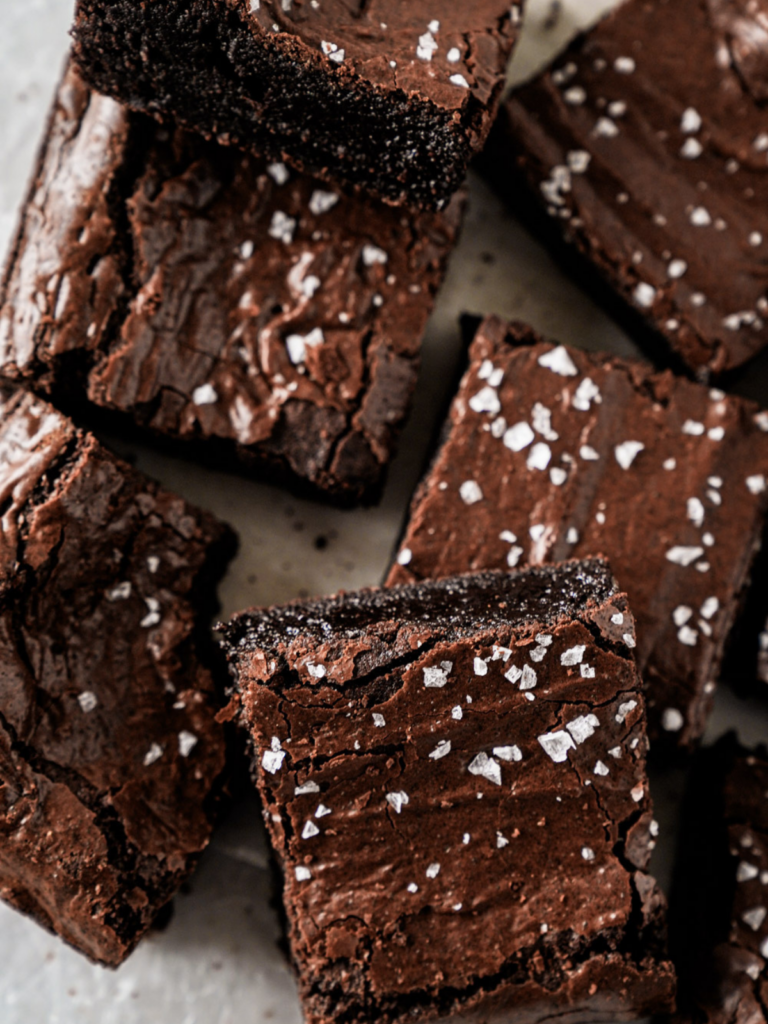
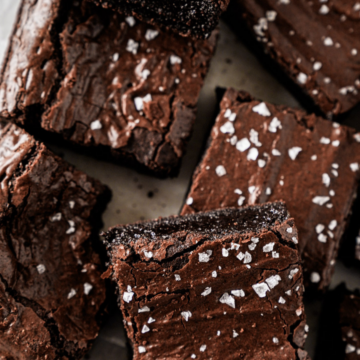
These brownies are fudgy, chewy, and unapologetically intense in the best way. Browning the butter adds a nutty aroma and depth that regular melted butter just can't compete with, and when paired with Dutch process cocoa powder and dark chocolate, the result is a brownie with real structure, moist crumbs, and a crinkly crust that actually delivers. They're not cakey, not dry, and definitely not trying to be subtle. If you're baking brownies because you have chocolate cravings, this is the correct choice.
If you love rich chocolate desserts like my classic brownie recipe, NYC Thin & Gooey Cookies, or S'mores Blondies, these brown butter brownies will feel right at home in your baking rotation.
Why You'll Love These Brown Butter Brownies
- Deep chocolate flavor from a mix of melted chocolate and unsweetened cocoa powder
- Brown butter adds a nutty flavor and golden brown depth you can actually taste
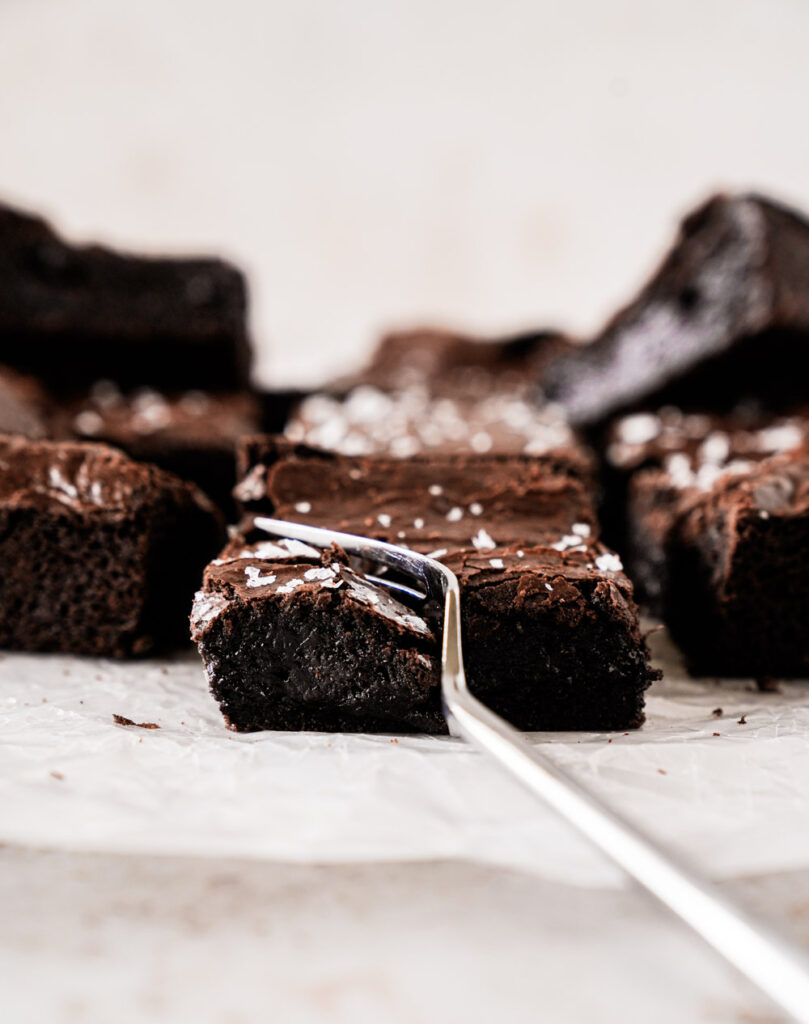
- Fudgy brownie texture with chewy edges and moist crumbs in the center
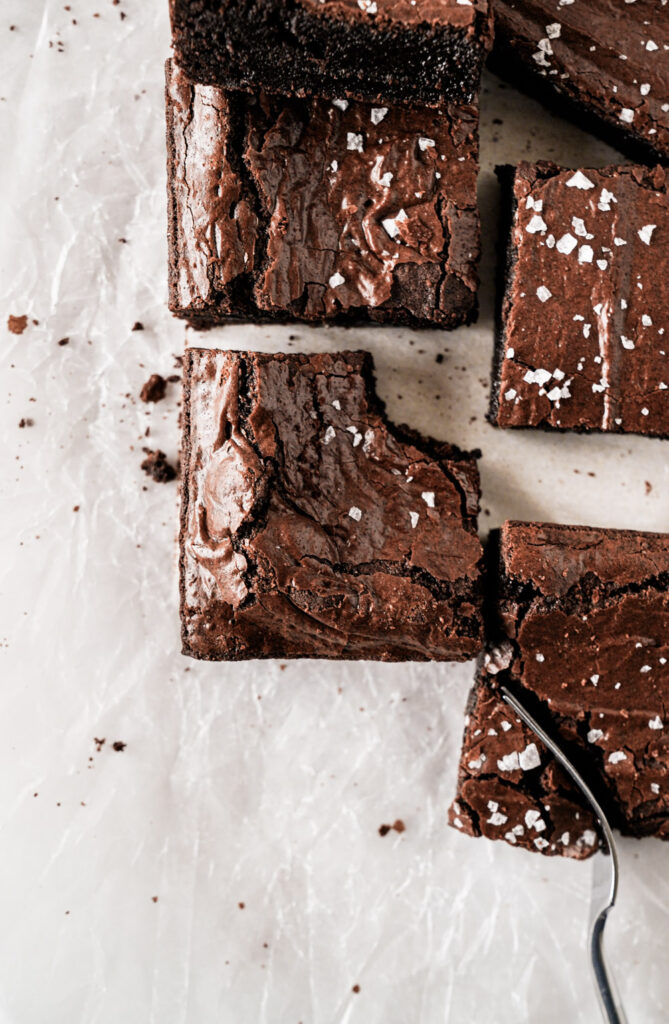
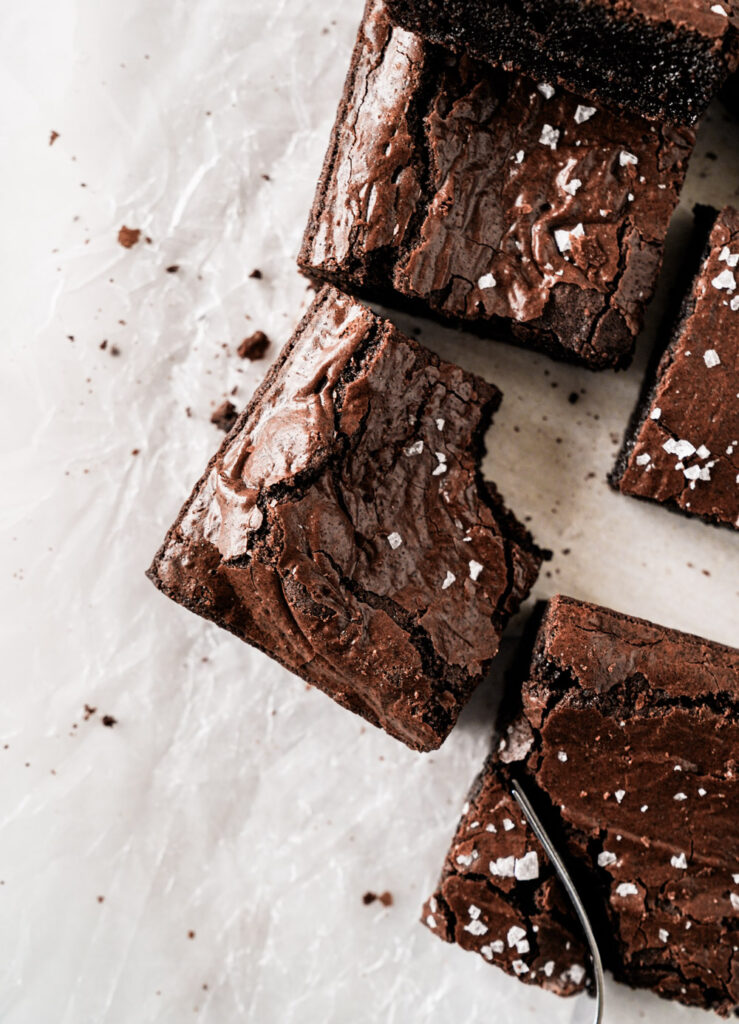
- Crinkly crusts that crack just enough without drying out
- Made in one pan with simple ingredients and no unnecessary steps
Ingredient Overview
- Unsalted butter - Browning the butter cooks the milk solids until golden brown, creating that signature nutty aroma and deep brown butter flavor that sets these brownies apart.
- Neutral oil - A small amount keeps the texture soft and fudgy without overpowering the butter.
- Dark chocolate - Melted into the warm butter for richness and a smooth, cohesive batter.
- Dutch process cocoa powder - Adds intense chocolate flavor and contributes to the fudgy brownie texture and dark color.
- Granulated sugar - Helps dissolve into the eggs, creating structure and those crinkly crusts on top.
- Brown sugar - Adds moisture, chew, and a subtle caramel note that pairs perfectly with brown butter.
- Eggs + egg yolks (room temperature) - Build structure while keeping the center gooey and rich instead of cakey.
- Vanilla extract - Rounds out the chocolate and enhances overall flavor.
- Fine sea salt - Balances sweetness and sharpens the chocolate flavor.
- All-purpose flour - Just enough to hold everything together without sacrificing fudginess.
- Cornstarch - A small but mighty ingredient that helps create soft, tender brownies with moist crumbs.
How to Make Brown Butter Brownies
- Prep the pan and oven. Preheat the oven to 350°F and line an 8×8-inch metal pan with parchment paper, leaving an overhang for easy removal. Lightly spray and set aside.
- Brown the butter. Add the butter to a skillet or saucepan over medium heat and cook until melted, foamy, and crackling. Continue cooking until golden brown bits form at the bottom and the butter smells nutty, stirring frequently. Immediately pour into a large heatproof bowl so the milk solids don't burn.
- Melt the chocolate. Let the butter cool slightly, then add the oil and chopped chocolate. Stir until smooth and fully melted. If needed, use short bursts in the microwave to finish melting-no aggressive heat.
- Bloom the cocoa. Whisk in the Dutch process cocoa powder until the mixture looks glossy and thick. Let it cool to warm (not hot) so it doesn't affect the eggs later.
- Whip eggs and sugar. In a separate bowl, beat the eggs, egg yolks, granulated sugar, and brown sugar until pale, thick, and glossy. The mixture should fall in ribbons when lifted-this step builds structure and texture.
- Combine gently. With the mixer on low speed, slowly pour the warm chocolate mixture into the egg mixture until smooth and fully combined.
- Fold in dry ingredients. Add the flour and cornstarch and gently fold with a rubber spatula just until no dry streaks remain. Overmixing is not invited.
- Bake. Pour the batter into the prepared pan and smooth the top. Bake until the edges are set and a toothpick inserted in the center comes out with thick, glossy crumbs-not clean.
- Cool completely. Let the brownies cool in the pan for at least one hour before slicing. They'll continue to set as they cool, and patience pays off here.
What Does Brown Butter Do to Brownies?
Brown butter changes brownies in a way regular melted butter simply can't. As the butter cooks over medium heat, the milk solids toast and turn golden brown, creating a nutty flavor and deeper aroma that carries through the entire batter. That extra step adds complexity without changing the texture of the brownies themselves, meaning you still get a fudgy brownie. Think richer chocolate flavor, warmer depth, and a finish that tastes intentional instead of flat.
How Do You Tell If Brownies Are Fudgy or Undercooked?
The difference comes down to texture, not time. Fudgy brownies will have set edges and a soft center, and a toothpick inserted in the middle should come out with thick, moist crumbs attached, not wet batter, but definitely not clean. If the toothpick comes out coated in liquid batter, the brownies need more baking time. If it comes out completely clean, they're likely overbaked. Brownies continue to set as they cool, so pulling them slightly early is how you protect that gooey center.
What's the Secret to Gooey Brownies?
Gooey brown butter brownies rely on fat, sugar, and timing working together. Using a combination of melted chocolate, cocoa powder, brown sugar, and egg yolks creates a rich batter that stays soft even after baking. Fully dissolving the sugar into the eggs helps retain moisture, while pulling the brownies from the oven before the center fully firms up keeps the texture dense and fudgy instead of dry. In short: good ingredients, gentle mixing, and trusting the cooling process.
Common Mistakes When Making Brown Butter Brownies
- Not dissolving the sugar fully. If the sugar isn't properly dissolved into the eggs, the brownies can turn out grainy instead of chewy. Whipping the eggs and sugar until pale, thick, and glossy ensures the sugar is fully incorporated and sets up that signature crinkly crust.
- Skipping the ribbon stage. The egg and sugar mixture should fall in thick ribbons that sit on the surface for a moment before disappearing. If it looks thin or watery, it hasn't been mixed long enough and the texture will suffer.
- Adding hot butter to the eggs. Pouring butter that's too hot into the egg mixture can cook the eggs and break the batter. The chocolate mixture should be warm, not hot, before combining.
- Overbaking the brownies. Brownies go from fudgy to dry very quickly. Pull them when the edges are set and the center still looks slightly soft.
- Overmixing after adding flour. Once the flour goes in, gentle folding is key. Overmixing leads to dense, tough brownies instead of a soft fudgy texture.
- Cutting them too soon. Brownies continue to set as they cool. Slicing early can make them seem underbaked when they just needed time.
Frequently Asked Questions
- Does brown butter bake differently? No - it functions the same as melted butter in baking. The difference is flavor, not structure. Once cooled slightly, it mixes into the batter just like regular butter, with a much deeper, nuttier taste.
- Can you mess up browning butter? Yes. Butter can go from browned to burnt quickly, so medium heat and constant stirring matter. As soon as the milk solids turn golden brown and smell nutty, it's ready.
- How do I know if I overcooked my brown butter? If it smells bitter or the brown bits look very dark instead of golden, it's overcooked. Proper brown butter should smell warm and toasted, not sharp or burnt.
- Can brown butter be made ahead of time? Yes. Brown butter can be made ahead and stored in the refrigerator for a few days. Re-melt it gently before using so it blends smoothly into the batter.
Tips and Tricks for Brown Butter Brownies
- Use room temperature eggs. Cold eggs don't mix smoothly and can prevent the sugar from fully dissolving, which affects the texture.
- Watch the butter closely. Brown butter goes from golden to burnt fast. Medium heat and constant stirring are key to getting that nutty flavor without bitterness.
- Fully dissolve the sugar. Whipping the eggs and sugar until pale and glossy creates the chewy texture and crinkly top that makes them so good.
- Stop mixing once the flour disappears. Overmixing after the flour goes in can make brownies dense instead of fudgy.
- Trust the toothpick test. For fudgy brownies, look for thick, moist crumbs rather than a clean toothpick.
- Let them cool completely. These brownies continue to set as they cool, and slicing too early can ruin the texture.
Storing and Freezing
Once completely cooled, store brown butter brownies in an airtight container at room temperature for up to three days. For longer storage, wrap individual brownies tightly in plastic wrap and place them in a freezer-safe container or bag. Freeze for up to three months. Thaw at room temperature or warm briefly to bring back that gooey, fudgy texture.
FOR MORE RECIPES LIKE THIS...
If you loved this recipe don't forget to leave a 5-star rating and a comment! I'd love to hear your feedback or answer any questions you have! Follow me on Instagram, Pinterest, and TikTok. I post so many fun things on all platforms.
Recipe
Brown Butter Brownies
Ingredients
- ¾ cup unsalted butter before browned
- ¼ cup neutral oil canola or vegetable
- 6 oz dark chocolate 60-70%, chopped
- ¼ cup plus 2 tablespoons cup Dutch-process cocoa powder
- 1 cup plus 2 tablespoons granulated sugar
- ¾ cup packed brown sugar
- 4 large eggs room temperature
- 2 large egg yolk
- 1 ½ teaspoon vanilla extract
- 1 teaspoon fine sea salt
- ¾ cup all-purpose flour
- 1 teaspoon cornstarch
Instructions
- Preheat the oven to 350°F (175°C). Line an 8×8-inch metal baking pan with parchment paper, leaving overhang on two sides for easy removal. Lightly spray the parchment with nonstick spray and set the pan aside.
- Add the butter to a medium saucepan and cook over medium heat until melted, foamy, starts making crackling noises, and deeply golden with brown flecks and a nutty aroma, stirring frequently, then immediately pour into a large heatproof mixing bowl. Let it sit for about 5-8 minutes. Then add the oil and the chocolate mixing until even combined. If the chocolate doesn't completely melt, pop it in the microwave for 10 seconds and mix.¾ cup unsalted butter, ¼ cup neutral oil, 6 oz dark chocolate
- Whisk in the cocoa powder until glossy and fully incorporated. Allow the mixture to cool to about 120°F; it should feel warm to the touch but not hot, with no visible steam. If its too hot and you add it to the sugar mixture your texture will come out not as chewy,¼ cup plus 2 tablespoons cup Dutch-process cocoa powder
- In a large mixing bowl, combine the granulated sugar, brown sugar, eggs, and egg yolk. Beat with a hand mixer or whisk on medium to medium-high speed for 3-4 minutes, until the mixture is pale, thick, and glossy and falls in ribbons when lifted.1 cup plus 2 tablespoons granulated sugar, ¾ cup packed brown sugar, 4 large eggs room temperature, 2 large egg yolk
- Whisk the vanilla extract and salt into the egg mixture. With the mixer on low speed, slowly pour in the warm chocolate mixture and mix just until fully combined and smooth, being careful not to overmix.1 ½ teaspoon vanilla extract, 1 teaspoon fine sea salt
- Add the flour and cornstarch to the bowl. Gently fold the dry ingredients into the batter using a rubber spatula until just combined, stopping as soon as no dry flour remains to keep the brownies dense and fudgy.¾ cup all-purpose flour, 1 teaspoon cornstarch
- Pour the batter into the prepared pan and smooth the top evenly. Bake for 30-35 minutes, until the edges are set and the center is still slightly soft. A toothpick inserted into the center should come out with thick, glossy crumbs rather than clean.
- Remove the brownies from the oven and place the pan on a wire rack. Let the brownies cool completely in the pan for at least 1 hour before slicing, as they will continue to set as they cool.
Karen Fischer says
Can I use 70% dark chocolate Ghirardelli chips?
Molly Murphy says
yes! my favorite kind!
Anonymous says
Can I use coconut oil?
Molly Murphy says
Yes that should work! it might have a slight coconut taste which sounds delicious!
Jackie says
Thank you for the recipe! I think some of the automatic metric conversions are showing up incorrectly?
¾ cup unsalted butter
170 1/4 g butter (where is the 1/4 coming from??? Is 170g correct? Is this the weight of the butter before browning?)
¼ tablespoon neutral oil canola or vegetable
(3 1/2g. how can it be a half gram? Measurments this small are typically left as tablespoons or teaspoons)
6 oz dark chocolate 60-70%, chopped (170g)
¼ cup plus 2 tablespoons cup Dutch-process cocoa powder (39g plus 2 tablespoons. It should be the total weight of the cocoa powder so 1/4 cup plus 2 tbsp combined total weight in grams)
1 cup plus 2 tablespoons granulated sugar (225g plus 2 tbsp should be one weight 225g plus 2 tbsp whatever the total weight in grams is)
¾ cup packed brown sugar
(165g. Is it dark or light brown sugar?)
2 large eggs room temperature
2 large egg yolk
1 ½ teaspoon vanilla extract
(6g. This should just be left as a teaspoon measurement?)
1 teaspoon fine sea salt
(6g. Not sure if right how can it be the same grams as the vanilla extract? Should be left as a teaspoon?)
¾ cup all-purpose flour
(93 ¾ g why is there a 3/4 and grams? Seems wrong??)
1 teaspoon cornstarch (2g)
Tried to make it easier for you to see by laying it all out. Thank you 😊
Molly Murphy says
Hi Jackie! Thank you so much for catching this and taking the time to leave such a detailed note — I really appreciate it.
I do use a plugin that automatically generates metric conversions, which is why some ingredients show both cups/tablespoons and grams. That said, you’re absolutely right that in a few places the conversions weren’t displaying as clearly as they should.
I’ve gone through and corrected the oil measurement (it should be ¼ cup, not ¼ tablespoon — thank you for flagging that!) and adjusted the cocoa powder and sugar so the gram amounts now reflect the total combined weight, not a partial conversion.
For ingredients like vanilla extract, I include both teaspoons and grams intentionally. The teaspoon is there for ease, while the gram weight is simply the accurate equivalent for those who prefer to bake by weight.
I’ve also clarified that the butter weight is measured before browning, which is the intended measurement.
Thanks again for bringing this to my attention — the post should now be updated and much clearer!
Tracy says
Thank you for sharing this recipe. These were so rich and yummy! Definitely making them again!
Anonymous says
best brownies ever
Anonymous says
This worked exactly as written, thanks!